Hesley: A Refined Script Font
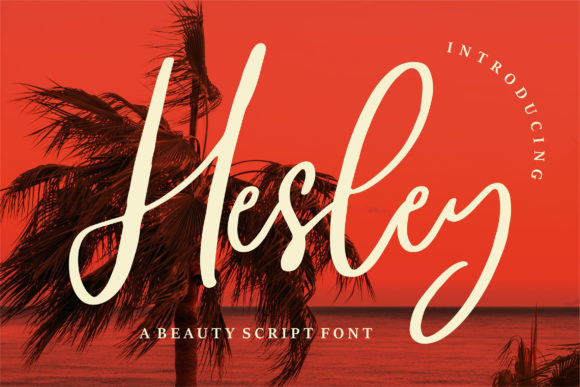
As a web designer, finding the right typeface can transform a project from good to great. Hesley is a script font that brings a touch of elegance and sophistication to any digital design. Its stylish alternates and ligatures make it ideal for headers, logos, and decorative elements that demand a refined look.
When used in web design, Hesley adds a sense of personality and visual interest. It works well in hero sections, call-to-action buttons, and landing pages where a strong first impression is crucial. The font's flowing lines and subtle details create a sense of movement that draws the eye and enhances the overall aesthetic.
Visual Characteristics and Digital Appeal
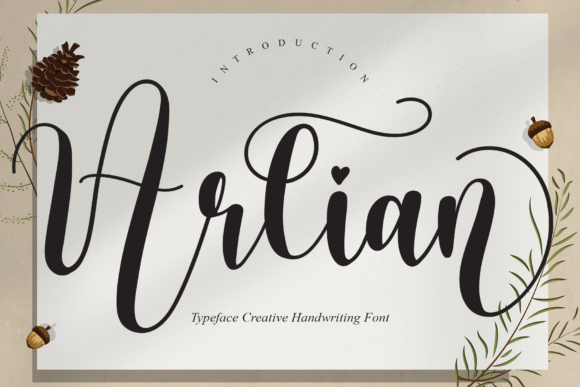
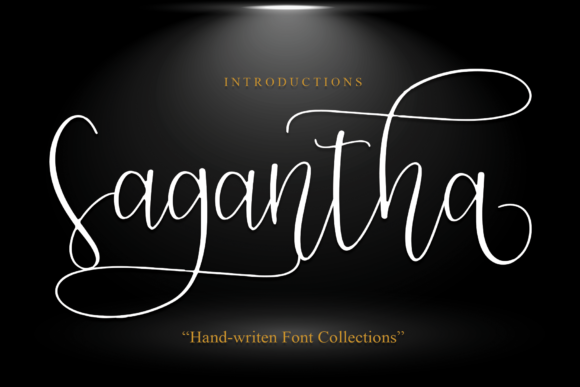
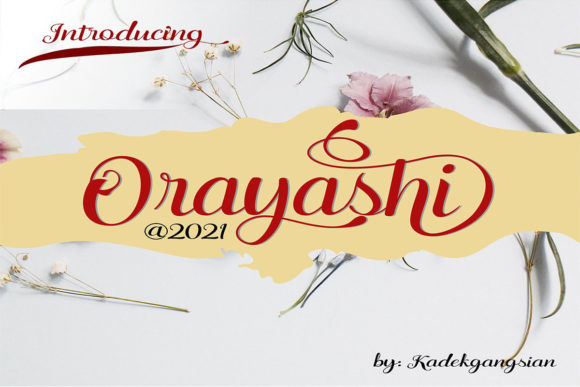
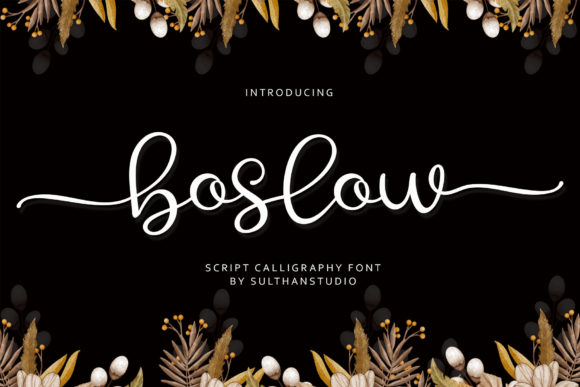
Hesley has a modern yet timeless feel. Its curves are fluid, and its strokes are balanced, making it suitable for both digital and print applications. The font's personality is elegant and professional, which makes it a strong choice for brands looking to convey trust and sophistication.
Its visual appeal lies in the way it balances style with readability. While it's a script font, it maintains clarity even at smaller sizes. This makes it a versatile option for headers, subheadings, and short phrases that need to be both attractive and legible.
Applications in Web Design
Hesley excels in areas where visual hierarchy and brand tone are essential. For example, on a creative portfolio site, using Hesley for the main heading can immediately set the tone for the entire experience. It adds a personal touch that reflects the designer's unique style.
In an online store, Hesley can be used for banners and product titles to create a cohesive and luxurious feel. On a coaching website, it can be used in headlines to emphasize key messages and build a connection with the audience. Its versatility allows it to adapt to various design needs without losing its character.
Readability and User Engagement
While Hesley is a display font, it's important to use it strategically. It's best suited for short text elements rather than long paragraphs. When used in headers or as part of a logo, it enhances the visual hierarchy and helps guide users through the content.
On mobile screens, Hesley remains readable when used at appropriate sizes. It works well against light or dark backgrounds, but care should be taken to ensure sufficient contrast. When placed over images or gradients, it benefits from a subtle drop shadow or background overlay to maintain legibility.
Font Pairing and Brand Identity
Pairing Hesley with a clean sans serif font can create a balanced and professional look. This combination works well for body copy and headings, allowing the script font to shine without overwhelming the design. For a more editorial feel, pairing it with a serif font can add depth and character to the layout.
When building a brand identity, Hesley can serve as a key element in the typography system. It can be used consistently across websites, social media graphics, and marketing materials to reinforce brand recognition. Its presence in multiple design assets helps create a unified and memorable visual language.
Practical Considerations
Before using Hesley in a project, check the available styles, weights, and file formats. Ensure that it supports the languages and characters needed for your target audience. Webfont availability is also important, as it allows for smooth integration into websites and digital platforms.
For commercial projects, make sure to review the licensing terms. Hesley is a premium font, and proper licensing ensures that it can be used across websites, client projects, and digital templates without legal issues.
Conclusion
Hesley is a powerful tool for web designers and digital creators looking to elevate their typography. Its blend of elegance and functionality makes it a valuable addition to any design toolkit. Whether used in a portfolio site, online store, or branding project, Hesley adds a touch of refinement that enhances the overall user experience.
By understanding its strengths and limitations, designers can harness Hesley's potential to create visually striking and effective web experiences. Its ability to convey sophistication while maintaining readability makes it a top choice for those who value both aesthetics and usability in their work.